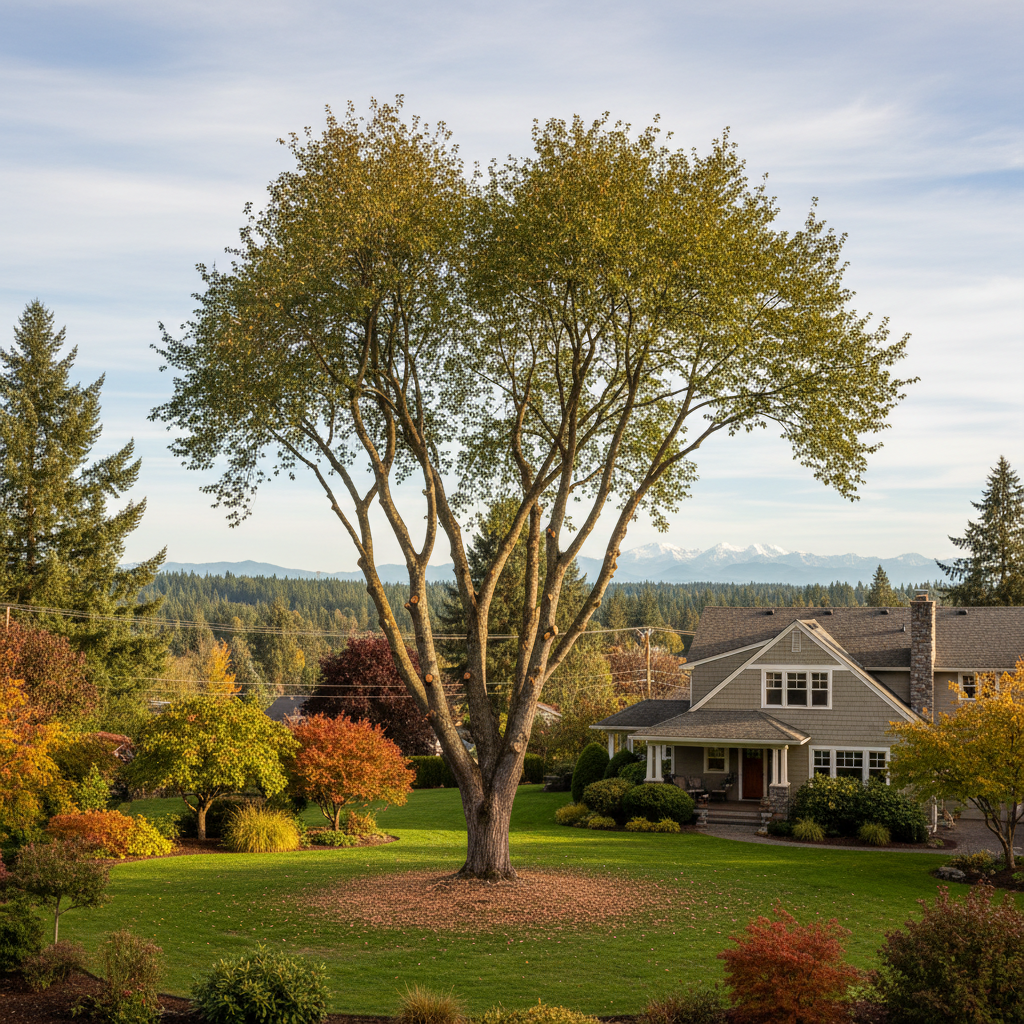
So, when's the best time to prune your trees around Ellensburg? That's a question I hear a lot, and honestly, there isn't a single, simple answer. It really depends on the type of tree you're dealing with, what you're trying to achieve with the pruning, and what our crazy Kittitas Valley weather is doing. But I can tell you this much: timing is everything if you want to keep your trees healthy and looking good.
Why Timing Your Pruning Matters
Think of it like getting a haircut. You wouldn't just chop off your hair whenever, right? You consider the style, the season, maybe even an upcoming event. Trees are similar, but with much higher stakes. Pruning at the wrong time can stress a tree, making it vulnerable to disease, or even stunting its growth. Do it right, and you're promoting strong structure, better fruit production, and a longer, healthier life for your leafy friends.
Most folks think winter is the only time to prune, and while that's often ideal for many deciduous trees, it's not a hard and fast rule. We've got distinct seasons here, and each one offers different opportunities — and challenges — for tree work.
Winter Pruning: The Dormant Season Advantage
For most deciduous trees – the ones that drop their leaves – winter is prime pruning time. We're talking late fall after the leaves are gone, all the way through winter until early spring before new buds start to swell. Why then? A few reasons, actually:
- Visibility: Without leaves, it's much easier to see the tree's structure. You can spot crossing branches, weak limbs, and dead wood much more clearly.
- Disease & Pest Control: Many diseases and pests are dormant in winter, so you're less likely to spread them or attract them to fresh cuts.
- Less Stress: The tree isn't actively growing, so it's not putting energy into leaves or fruit. Pruning during dormancy causes less stress, allowing the tree to put all its energy into healing those cuts when spring arrives.
- Rapid Healing: When the tree breaks dormancy in spring, it's ready to seal those wounds quickly. That's crucial for preventing decay, you know?
Now, our Ellensburg winters can be pretty cold, with some serious hard freezes. We generally avoid pruning when temperatures are extremely low, especially if it's below 20 degrees Fahrenheit. The wood can get brittle, and the cuts might not heal as cleanly, potentially leading to frost damage around the wound. Plus, it's just not safe for my crew to be working in those conditions. We're also careful about heavy snow or ice; that's a recipe for disaster if you're up on a ladder.
Spring & Summer Pruning: Specific Goals
While dormant pruning is great for structural work, sometimes you need to prune in spring or summer. This is usually for very specific reasons:
- Dead or Diseased Limbs: You can remove these any time of year. If you spot a dead branch or one showing signs of disease, get it out of there to prevent further spread.
- Shaping & Size Control: If a tree is getting too big, or you need to clear branches away from a house or power lines, summer pruning can slow down growth. Removing leaves reduces the tree's ability to photosynthesize, which can help keep its size in check. Just don't go overboard; too much summer pruning can really stress the tree.
- Fruit Trees: Many fruit trees benefit from summer pruning to improve fruit quality and light penetration.
The trick with summer pruning is not to remove too much foliage, especially during hot, dry spells. Our Ellensburg summers can get pretty intense, and a tree needs its leaves for shade and moisture retention. Taking too much off can lead to sunburn on the bark or stress the tree during drought conditions.
Fall Pruning: Generally Avoided
I usually tell folks to hold off on significant pruning in the fall. When you make cuts, you stimulate new growth. If that new growth doesn't have enough time to harden off before our first hard frost, it can be damaged or killed, which just stresses the tree. Minor deadwood removal is usually fine, but save the big jobs for winter.
Protecting Your Investment Year-Round
Pruning is just one piece of the puzzle. To truly protect your trees and make sure they thrive in our unique Ellensburg climate, here's what else you should be thinking about:
- Proper Watering: Even established trees need water, especially during our dry summers. Deep, infrequent watering works better than shallow, frequent sprinkles. Consider our well-drained, sometimes sandy loam soils; they can dry out faster than you'd think.
- Mulching: A good layer of organic mulch (like wood chips) around the base of your trees helps retain soil moisture, regulate soil temperature, and keep weeds down. Just keep it a few inches away from the trunk.
- Regular Inspections: Walk around your property regularly. Look for signs of disease, pests, or structural issues. Catching problems early can save a tree.
- Professional Advice: If you're unsure about what your tree needs, or if it's a big job, call in the pros. We've got the knowledge, the right tools, and the insurance to do it safely and effectively. At Coastal Tree Inc, we've seen everything from wind-damaged Ponderosas after a winter storm to disease outbreaks on old apple trees, and we know how to handle them.
Ultimately, your trees are a valuable asset to your property and our community. Taking the time to understand their needs and timing your pruning correctly will pay dividends in their health and beauty for years to come. Don't hesitate to reach out if you have questions about a specific tree on your property.