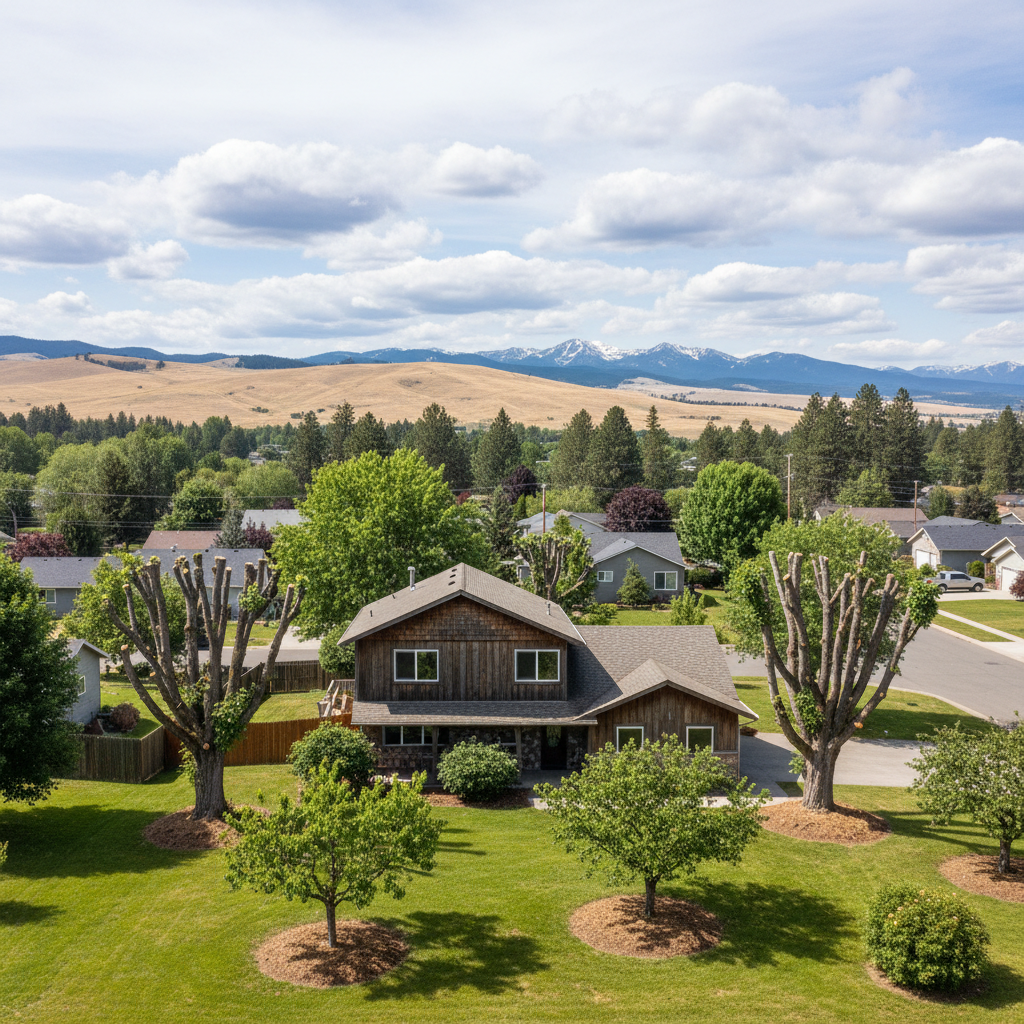
You see a tree, and you probably think, 'it needs a trim,' right? That's what most folks around Ellensburg figure, and honestly, pruning is a big part of keeping them healthy. But truly taking care of your trees, especially with our unique climate and soil, goes way deeper than just a good haircut. I've been doing this for years, and I've seen firsthand what works and what absolutely doesn't for our local trees.
Understanding Ellensburg's Tree Challenges
Our trees here face some specific challenges, things you might not even think about. First off, we've got those dry, hot summers, followed by cold, sometimes snowy winters. That's a huge swing, and it really stresses trees out. Then there's the soil. A lot of the older neighborhoods, especially those west of Main Street closer to the river, have pretty heavy clay. It holds water like crazy when it's wet, but then it compacts and dries out like concrete in the summer. That's just plain tough on roots.
Another common issue I see is improper watering. People either drown their trees or don't give them enough, especially newly planted ones. You can't just set a sprinkler and walk away, can you? Trees, particularly mature ones, need deep, infrequent watering to encourage their roots to grow down, not just stay at the surface.
The Root of the Problem (Literally)
Most tree health issues actually start underground. If the roots aren't happy, well, the rest of the tree won't be either. Here's what I often find:
- Soil Compaction: When people drive over root zones, or even just heavy foot traffic, it squishes the soil. Roots need air and water, and compacted soil chokes them out. You'll see trees looking thin, leaves turning yellow, or just generally not thriving.
- Poor Drainage: That heavy clay I mentioned? It can lead to standing water around roots, especially in lower spots. Too much water means roots can't breathe, and that leads to rot.
- Nutrient Deficiencies: Our soil isn't always perfectly balanced, you know? Sometimes trees just aren't getting what they need, and you'll see it in stunted growth or discolored leaves. A soil test can tell you exactly what's missing.
- Girdling Roots: This is a big one, especially in trees planted from nurseries. Sometimes roots grow in a circle around the trunk, essentially strangling the tree over time. It's often hidden until the tree starts to decline.
What You Can Do For Your Trees
So, what's a homeowner to do? Plenty! It's not always about calling us for an emergency removal; it's really about prevention.
First, mulch is your friend. A good layer of arborist wood chips (not bark dust, which can compact) around the base of your trees, but not touching the trunk, does wonders. It keeps the soil moist, regulates temperature, and slowly adds nutrients as it breaks down. Plus, it keeps the lawnmower away from the trunk, preventing bark damage.
Second, water smart. For established trees, a deep soak once a week during our dry spells is better than a shallow sprinkle every day. Younger trees might need more frequent, but still deep, watering. Feel the soil. If it's dry a few inches down, it's time to water.
Third, inspect your trees regularly. Look for strange growths, discolored leaves, dead branches, or insect activity. Catching problems early makes a huge difference. Are there mushrooms growing at the base? That could indicate root rot. Is the bark peeling in an unusual way? Could be disease or pests.
Finally, and this is where Coastal Tree Inc. comes in, get expert advice. Sometimes you need more than just a trim. We can assess the overall health of your trees, diagnose issues you might not even see, and recommend treatments like deep root fertilization, soil aeration, or even root collar excavation if girdling roots are a problem. We know what pests and diseases are common here in Kittitas County and how to deal with them effectively.
Your trees are an investment, and they add so much to your property and our community. Taking a little time to understand their needs, beyond just what you see above ground, will keep them healthy and beautiful for years to come. Don't wait until a tree is clearly struggling; proactive care is always the best approach.