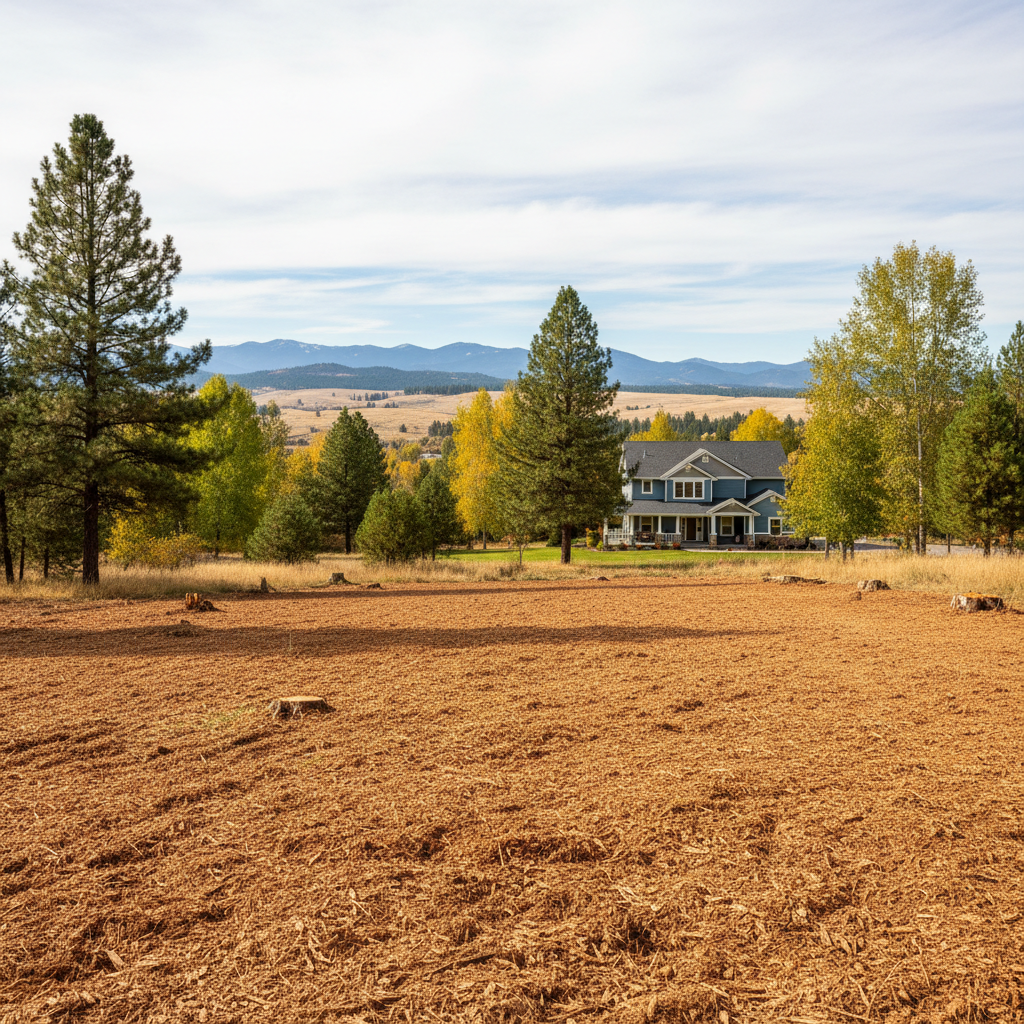
So, you've had some land cleared, maybe for a new build, a pasture, or just to open up your property. That's a big job, no doubt, and you want that investment to stick. It's not a one-and-done deal, especially with our unique climate here in Central Washington. You've got to keep an eye on things if you want that clearing to last. Otherwise, nature's just going to start reclaiming it, sometimes faster than you'd think, honestly.
Extending the Life of Your Land Clearing
The biggest thing you can do to keep your cleared land clear is to get ahead of new growth. Think of it like weeding a garden; if you wait until the weeds are knee-high, it's a much bigger job. For land clearing, that means tackling saplings and brush before they get established. We're talking about those little cottonwood and willow sprouts that love to pop up near our riverbeds, or the persistent sagebrush that seems to grow everywhere else around here.
Proper drainage is another key. When we clear land, we're often changing how water moves across it. If water pools in new spots, it can actually encourage different types of vegetation to grow, or even lead to erosion. Make sure the ground is graded correctly to shed water, preventing standing puddles that become prime spots for unwanted growth. This is especially important in areas where we get those heavy spring snow melts or sudden downpours.
Finally, consider what you're doing with the land. If it's for pasture, regular grazing can help keep new growth down. If it's for a building site, getting construction started relatively quickly can prevent a lot of regrowth. Even just regular mowing can make a huge difference in keeping smaller plants from becoming bigger problems.
Regular Maintenance: What Does It Look Like?
Regular maintenance for cleared land isn't usually a daily chore, but it does need to be consistent. I'd say a good schedule is to walk your property thoroughly at least twice a year. Spring, after that initial growth spurt, and then again in late summer or early fall, before things go dormant. This lets you catch things when they're small and easier to deal with.
- Spot Treatment for Sprouts: Look for any new saplings or aggressive brush. Pull them by hand if they're small. For larger ones, you might need a lopper or even a chainsaw.
- Monitor Drainage: After a good rain or snow melt, check for areas where water is pooling or running off in ways it didn't before. Erosion channels can form quickly, especially in our sandy-loam soils around Ellensburg.
- Mowing/Grazing: If you have the equipment, regular mowing of larger cleared areas can keep herbaceous plants and small shrubs from taking over. If you're using it for pasture, make sure your animals are rotated to graze evenly.
Don't underestimate the power of just walking the land. You'll get to know your property, and you'll spot changes quickly. It's like checking the oil in your truck; you wouldn't wait until the engine seized, right?
Warning Signs of Problems
There are a few clear indicators that your cleared land is starting to revert or develop issues. Catching these early can save you a lot of headache and money.
- Rapid Regrowth: If you see a dense carpet of new saplings or brush coming up over a large area, that's a red flag. It means the initial clearing might not have been thorough enough, or you've missed too many maintenance cycles.
- Erosion: Look for ruts, gullies, or exposed roots, especially on slopes. This is a sign that water isn't draining properly and is washing away your topsoil. Our strong winds here can also contribute to wind erosion on bare soil, so watch for dust plumes during dry, windy spells.
- Invasive Species: Keep an eye out for plants you don't recognize or that seem to be spreading aggressively. We've got our share of invasives that can quickly take over a cleared area if left unchecked.
- Pest Infestations: Sometimes, clearing can disturb the ecosystem, leading to new pest problems. While less common, it's something to be aware of if you notice unusual insect activity or damage to remaining vegetation.
When to Call a Professional
Look, sometimes a job's just too big for you to handle alone, or you need specialized equipment. That's when you call in the pros. Here at Coastal Tree Inc, we've seen it all, and we're happy to help.
You should definitely call us if:
- Regrowth is Out of Control: If you're facing a jungle again and your chainsaw just isn't cutting it, we have the heavy equipment and expertise to get it back to square one efficiently.
- Severe Erosion: If you've got deep ruts or significant soil loss, you might need professional grading and erosion control measures. This isn't just about aesthetics; it can impact water quality and land stability.
- Hazardous Trees/Stumps: Sometimes, during clearing, a stump or a partially damaged tree might have been left that's now becoming a hazard. Don't risk it; we can remove those safely.
- You Need a Fresh Start: Maybe you've let it go for too long, or your plans for the land have changed, and you need a more extensive reclearing. We can assess the situation and provide a plan.
Proper maintenance isn't just about keeping your property looking good; it's about protecting your investment and ensuring the land stays usable for whatever you intended. Don't let a small problem become a huge one. A little effort goes a long way, and we're always here if you need a hand.