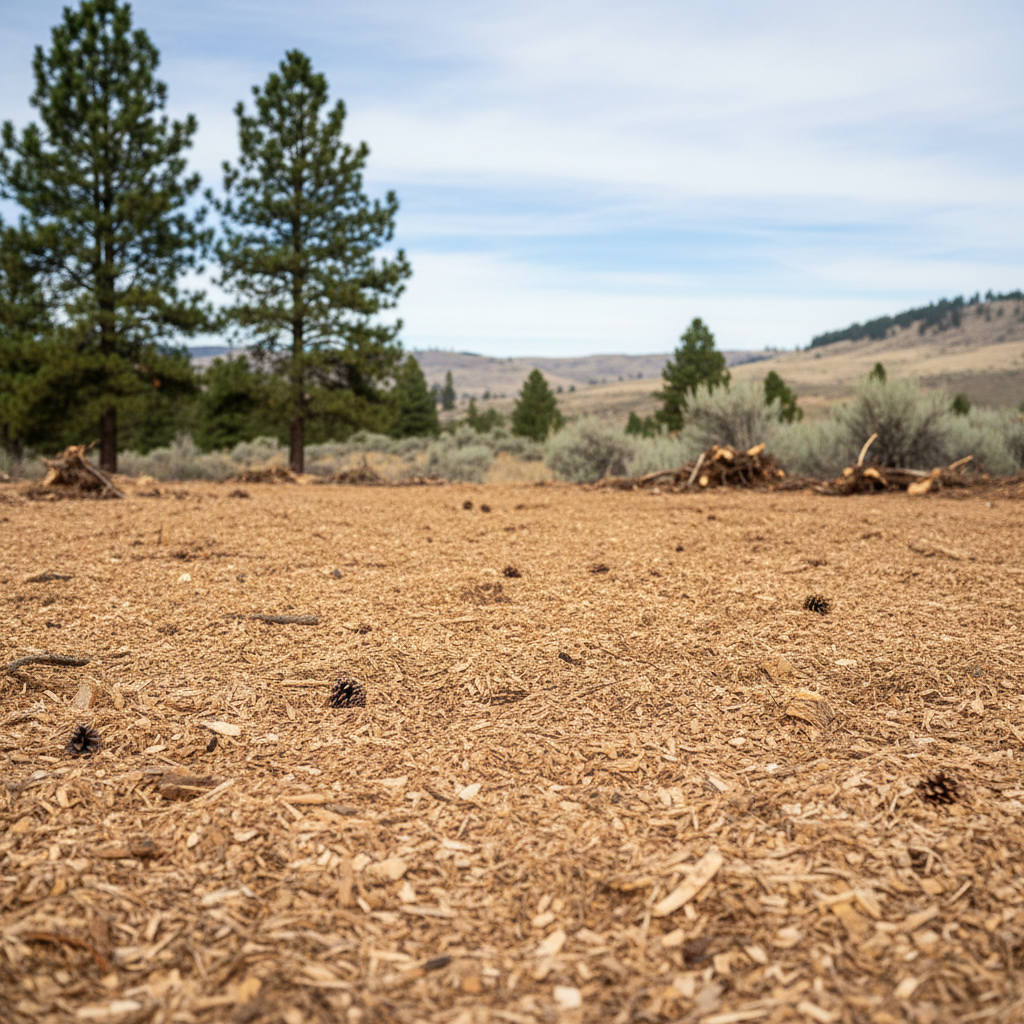
Alright, let's talk about lot clearing. I get a lot of calls from folks around Ellensburg looking to get their property ready for something new, or maybe just to reclaim some overgrown space. It's not as simple as just firing up a chainsaw and going to town, especially if you want to do it right and avoid headaches down the road. Here are the most common questions I hear, and what you really need to know.
Do I even need a permit to clear my lot in Ellensburg?
This is probably the first thing out of most people's mouths, and it's a good question. The short answer is: probably, yes, especially if you're doing anything substantial. The City of Ellensburg, and Kittitas County if you're outside city limits, have rules about disturbing the land. If you're clearing more than a certain amount of square footage, or if you're taking out trees above a certain diameter, you're almost certainly going to need a clearing and grading permit. This isn't just about trees, mind you; it's about managing stormwater runoff, preventing erosion, and making sure you're not messing with critical areas like wetlands or steep slopes. I've seen folks try to skip this step, and it almost always costs them more in fines and rework than just getting the permit in the first place. Always check with the planning department first; they're usually pretty helpful if you go in with a plan.
What's the best time of year to clear land around here?
You'd think any time is fine, right? But it's not. For us in Ellensburg, the best time for major lot clearing is usually late fall through early spring. Why? A few reasons. First, the ground is often firmer from the cold, which means less rutting and damage from heavy equipment. Trying to clear a muddy lot in spring can turn into a real mess, especially with our clay-heavy soils in some areas that just hold water. Second, many migratory birds aren't nesting then, which is a big deal for environmental regulations. You don't want to accidentally disturb a nest. Third, deciduous trees are dormant, so they're easier to handle, and you can see what you're doing better without all the leaves. Plus, you avoid the fire danger season we get in the dry summers.
What happens to all the brush and trees once they're cut down?
Good question. You've got options, and the best one depends on your goals and budget. The most common methods are chipping, hauling away, or burning. Chipping is great if you want to reuse the material as mulch on your property; it breaks down into a nice, organic layer. We do a lot of chipping at Coastal Tree Inc. Hauling away is straightforward but can add up in cost, especially for large volumes. We'll load it up and take it to an approved disposal site. Burning is an option, but it comes with strict rules. You need a burn permit from the Department of Ecology or your local fire district, and you can only burn on certain days when air quality and fire danger allow. You absolutely cannot just light a bonfire whenever you feel like it. Always check the burn ban status!
How do you handle stumps? Do I need to remove them?
Stumps are usually the last thing left standing, and whether you remove them depends on what you're planning to do with the land. If you're building, planting a new lawn, or putting in a driveway, you'll definitely want them gone. The main ways to deal with them are stump grinding or full stump removal. Stump grinding uses a machine to chew the stump down below ground level, leaving wood chips. It's efficient and usually the most cost-effective. Full stump removal means digging the whole thing out, including the root ball. This is more invasive, leaves a bigger hole, and is usually only necessary if you need to plant a new tree exactly where the old one was or if the roots are interfering with utilities or foundations. We can help you decide what makes the most sense for your project.
What about erosion control after clearing?
This is critical, especially around here where we can get some pretty intense wind and rain. Clearing land exposes the soil, making it vulnerable to erosion. If you're not careful, you can end up with a muddy mess, lost topsoil, and even problems for neighboring properties or waterways. We always recommend some form of erosion control. This could be as simple as laying down straw wattles or silt fences, or more involved like hydroseeding with a fast-growing cover crop. The goal is to stabilize the soil as quickly as possible. Don't underestimate this step; it's a big part of responsible land management.
Will clearing my lot affect my property value or taxes?
It can, yes, but usually in a good way if done strategically. Clearing an overgrown lot can significantly improve its usability and aesthetic appeal, making it more attractive for development or just personal enjoyment. A well-maintained, clear parcel often appraises higher than one choked with brush and deadfall. As for taxes, generally, improving your property can lead to an increase in assessed value, which impacts your property taxes. However, simply clearing brush might not trigger a huge change unless it's part of a larger development plan that adds structures or significant landscaping. It's always a good idea to check with the Kittitas County Assessor's office if you have specific concerns about how your project might affect your property's valuation.
What kind of equipment do you use for lot clearing?
It really depends on the size and scope of the job. For smaller areas with lighter brush, we might use skid steers with brush mulchers, or even just chainsaws and hand tools. For larger, heavily treed lots, we're talking about heavier machinery like excavators, forestry mulchers, or even feller bunchers. We always assess the site first to figure out the most efficient and safest equipment for the job. We've got a range of tools at Coastal Tree Inc. to tackle just about anything, making sure we're not over-spec'ing for a small job or under-spec'ing for a big one. Safety and efficiency are always top of mind.
Hopefully, that clears up some of your questions about lot clearing. It's a big job, and there's a lot to consider beyond just cutting things down. If you're thinking about tackling an overgrown property, give us a call. We can walk you through the process, help with permits, and make sure your project goes smoothly.