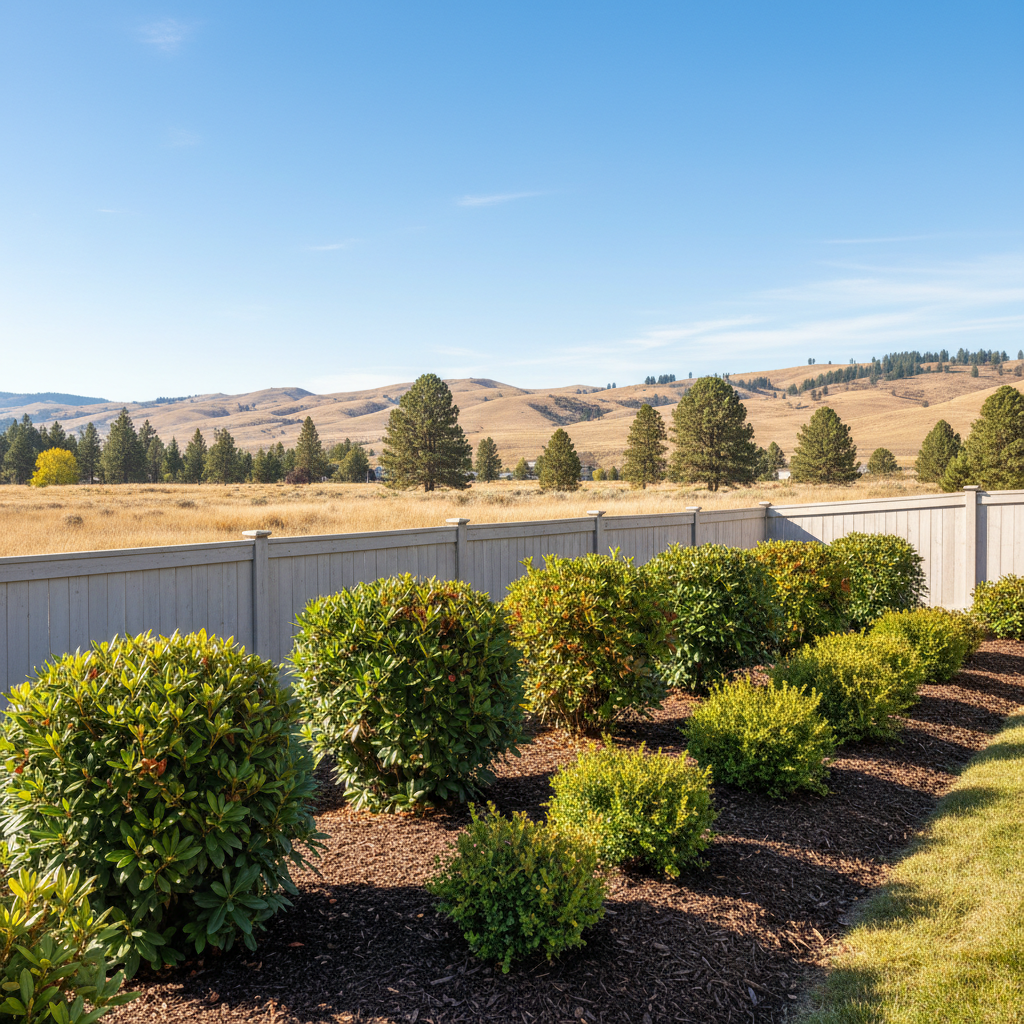
Got some overgrown shrubs or bushes? Thinking it's high time for a trim? Maybe you're even considering bringing in some help. That's a good idea, but just hold on a sec. Before you grab the shears or dial a number, let's chat about a few common mistakes I see folks here in Ellensburg make. Believe me, sidestepping these can save you a real headache – and a decent chunk of change, too.
Mistake #1: Not Knowing What You've Actually Got
Sounds pretty straightforward, right? It's a bush. But is it a deciduous shrub that drops its leaves, or an evergreen that keeps them all year? Does it flower on old wood or new wood? This stuff really matters for when and how you should trim it. Prune a lilac at the wrong time, and you won't see any blooms next spring. Hack back an evergreen too hard, and you might end up with bare spots that never quite fill in. I've watched people prune their hydrangeas in late winter, thinking they're doing everything right, only to scratch their heads when no flowers show up that summer. Just do a quick search for your specific plant type. It's usually a five-minute job, and it pays off big time.
Mistake #2: Hiring the Cheapest Bid
Look, I get it – who doesn't love a good deal? But when it comes to tree and shrub work, the cheapest bid often comes with hidden costs. And these aren't always about money, either. Sometimes it's damage to your property, or even worse, damage to your plants that takes years to fix. A lot of fly-by-night operations will give you a super low price because they're not insured, they don't have the right equipment, or frankly, they just don't know what they're doing. If someone rolls up in an unmarked truck with rusty clippers and no safety gear, that's a huge red flag. Always ask for proof of insurance and licensing. A reputable company, like Coastal Tree Inc., will hand that over without a second thought.
Mistake #3: Ignoring the Plant's Long-Term Health
Trimming isn't just about making something look tidy for a week. It's really about helping your plants stay healthy and strong for the long haul. I see too many people just shear the outside of a shrub, which leaves a dense, unhealthy shell. Folks call this 'topping' or 'shearing,' and it's truly awful for most shrubs. It encourages weak growth, cuts down on air circulation, and can even lead to disease. Instead, you want to carefully remove specific branches, thin out the inside, and let the plant keep its natural shape. This way, light and air can get in, keeping the plant robust and healthy from the inside out. Try to think about what the plant will look like in a year, not just tomorrow.
Mistake #4: Not Considering the Ellensburg Climate
Our weather here in Ellensburg can get pretty wild, can't it? Those strong winds we often get, especially blowing off the mountains, can really stress out plants that haven't been trimmed properly. And with our dry summers, plants need all the help they can get to hold onto moisture. If a shrub gets trimmed too aggressively, especially right before a heatwave, it can get scorched. Or if you leave too much dead or weak wood, those winter winds can snap branches right off, causing even more damage. Timing your trims correctly – often late winter or early spring for many deciduous shrubs – helps them bounce back before the summer heat hits. For evergreens, a lighter trim in late spring or early summer usually works best.
Mistake #5: Doing It Yourself When You Really Shouldn't
There's absolutely nothing wrong with a little DIY, especially for small, easy-to-reach shrubs. But if you're dealing with big, overgrown bushes, thorny plants, or anything that needs a ladder, it's often smarter to call in the pros. I've seen way too many close calls with ladders, power tools, and even just sharp hand pruners. Plus, we have the proper tools for the job – sharp, clean, and well-maintained – which makes a huge difference in how clean the cut is and how well the plant recovers. Don't risk an injury or damaging your plants just to save a few bucks. Your health and your landscape are definitely worth investing in.
So, the next time you're eyeing those shrubs, take a moment. Do a little research, ask for references, and think about the long game. Your plants, and your wallet, will definitely thank you.