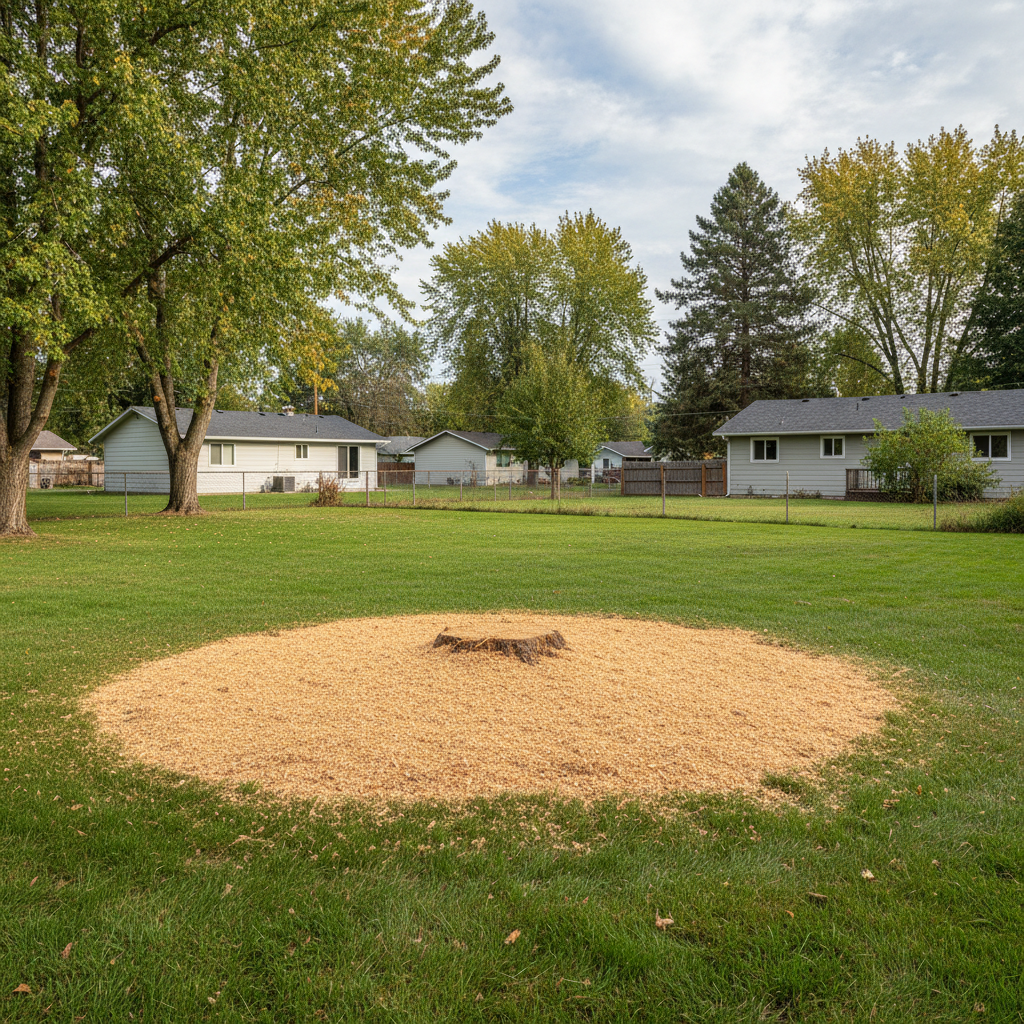
So, you finally got rid of that old tree stump that's been an eyesore or, let's be honest, a tripping hazard in your yard. Good for you! Stump grinding is a fantastic way to reclaim your space, but the job isn't quite finished when my crew packs up the grinder. There's a bit of aftercare involved if you want that area to stay clear, healthy, and ready for whatever you've got planned next. I've seen plenty of folks make mistakes here, and I really want to help you avoid them.
Making Your Stump Removal Last
When we grind a stump, we usually take it down 6 to 12 inches below the ground level—sometimes more, depending on your plans. This leaves a pit, naturally, filled with wood chips and soil. The trick to making sure that area stays clear and doesn't become a problem spot again is proper backfilling and settling. You can't just toss some dirt in there and call it done, you know?
First off, you'll have a pile of wood chips. These are actually great for composting or using as mulch in other parts of your yard. But you definitely don't want them as the main fill in the stump hole. Why? Well, they'll decompose slowly, which makes the ground sink unevenly over time. That's how you end up with a dip right where your new flower bed was supposed to be.
What you should do is remove most of those chips. After that, fill the hole with good quality topsoil. If you're planning to plant grass, make sure it's a soil mix that's actually good for turf. If it's a garden bed, enrich it with compost. As you fill, compact the soil in layers. Don't just dump it all in at once. Use a tamper or even just walk on it to press it down. This really helps prevent major settling later. Our dry Ellensburg summers can seriously bake the soil, so compacting is even more important here to avoid big cracks and sinkholes once the moisture is gone.
Over the next few weeks and months, especially after a good rain or if you're watering new grass, you'll probably see some settling. Don't panic. Just add more soil as needed to keep the area level with the ground around it. This gradual process ensures a stable surface for whatever you plant or build there.
Regular Maintenance: What It Looks Like
Once you've got your new soil in place and it's settled, regular maintenance is pretty straightforward. Mostly, it's about keeping an eye on the area and dealing with any new growth.
- Watch for Sprouts: Even after grinding, some tree species might try to send up new shoots from any root fragments left behind. Poplar, cottonwood, and even some maples are notorious for this. If you see small sprouts, pull them out right away. Don't let them get established. The younger and smaller they are, the easier they are to remove, believe me.
- Keep it Clear: If you've planted grass, just mow it as usual. If it's a garden bed, weed it regularly. Keeping the area free of competing plants helps whatever you've planted thrive and makes it easier to spot any unwanted tree growth.
- Monitor for Settling: Especially for the first year, keep an eye out for any dips or unevenness. Our winter freeze-thaw cycles can sometimes cause a bit more movement in the soil, so you might need a quick top-up with soil in the spring.
It's not rocket science, but consistent attention makes a huge difference in the long run. You've invested in getting rid of that stump; a little ongoing effort protects that investment.
Warning Signs of Problems
Most of the time, stump removal goes off without a hitch, and the aftercare is simple. But sometimes, issues can pop up. Here's what to look out for:
- Persistent Sprouting: If you're constantly battling new shoots, especially thick ones or lots of them, it might mean there's a larger root section still alive than we initially thought, or it's a particularly aggressive species.
- Significant Sinking: A little settling is normal. But a deep, continuous sinkhole that keeps appearing even after you've refilled it multiple times could mean that too much organic material (wood chips) was left in the pit, or that there's a void forming underneath.
- Fungal Growth: While some mushrooms are harmless, persistent fungal growth—especially large bracket fungi or clusters of mushrooms—could mean there's still a good amount of decaying wood underground. This usually isn't a huge problem for new plantings, but it's a sign that decomposition is actively happening.
- Pest Activity: Carpenter ants or termites are attracted to decaying wood. If you notice signs of these pests in the area where the stump was, that's a definite red flag.
When to Call a Professional
For most folks, the maintenance I've talked about is something you can handle yourself. But there are times when it's just better to bring in a professional, like us at Coastal Tree Inc, to take another look:
- Stubborn Sprouts: If you've got sprouts that just won't quit, despite your best efforts, we can assess the situation. Sometimes a targeted application of a root inhibitor might be necessary, or a deeper grind if the roots are still too active.
- Major Sinking or Voids: If you're seeing significant, ongoing sinking that you can't seem to fix, or if you suspect a void beneath the surface, we can investigate. It might need more extensive excavation and proper backfilling to stabilize the area.
- Pest Infestations: If you're seeing carpenter ants or termites, you absolutely want to call a pest control expert first. Once they've treated the area, we can come in and assess if further wood removal is needed to prevent future issues.
- Planning a Major Project: If you're planning to build a shed, pour concrete, or put in a foundation where the stump was, you'll want to make sure the ground is absolutely stable and free of any organic material that could decompose and cause problems. We can advise on the best way to prepare the site for these kinds of projects.
Ultimately, a little vigilance goes a long way. You've done the hard part by getting that stump out. Now, just a bit of care will ensure that spot in your yard stays exactly how you want it.